
Pilonidal Sinus Surgery in Mumbai
Pilonidal Sinus Treatment in Mumbai | Dr. Kunal Chhatbar
Pilonidal sinus is a condition characterized by the development of a small tunnel or tract in the skin, typically at the top of the buttocks. Dr. Kunal Chhatbar, a general and laparoscopic surgeon, is familiar with the causes and treatment options for this condition. The primary cause is believed to be loose hair getting embedded in the skin, leading to inflammation and the formation of a sinus.
Dr. Chhatbar recommends non-surgical treatments such as antibiotics, hygiene measures, and draining of abscesses for mild cases. However, in more severe or recurrent cases, surgical intervention is often required. Surgery involves removal of the sinus tract and any infected tissue around it, and Dr. Chhatbar opts for techniques like Karydakis procedure (Japanese technique) or Limberg's flap for complete cure of the disease. In selected cases, Dr. Chhatbar recommends Laser ablation of the Pilonidal sinus tract, to minimise the recovery time of his patients. Post-surgery care, including maintaining good hygiene, is crucial to prevent recurrence.
What is a Pilonidal Sinus?
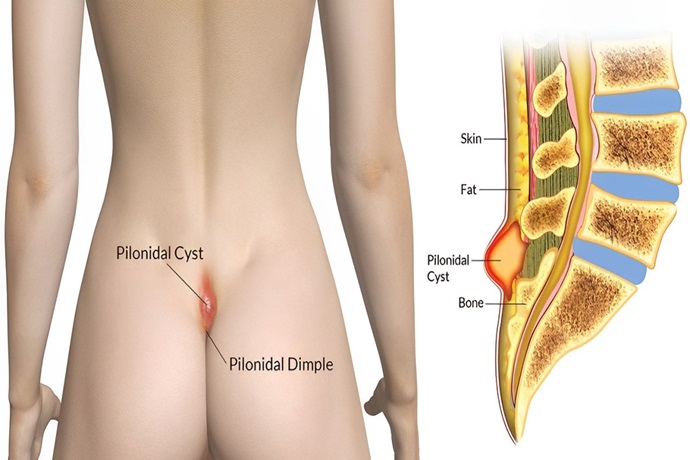
A pilonidal sinus is a small cyst or tunnel that develops near the tailbone at the top of the cleft of the buttocks. It often contains hair, debris, and skin particles, leading to infection and abscess formation. Pilonidal sinus can be painful and recurrent if left untreated.
Dr. Kunal Chhatbar, a specialist in pilonidal sinus treatment in Mumbai, provides advanced surgical and minimally invasive solutions for long-term relief. His clinic is accessible for patients in Borivali, Kandivali, and Malad.
Causes of Pilonidal Sinus
Common causes and risk factors include:
- Ingrown hair: Most pilonidal cysts contain hair that grows back into the skin.
- Poor hygiene: Sweat and debris can contribute to infection.
- Prolonged sitting: Increases pressure on the tailbone area.
- Obesity: Extra skin folds increase the risk of cyst formation.
- Genetic predisposition: Some individuals are more prone to pilonidal sinus formation.

Symptoms of Pilonidal Sinus
Early recognition of symptoms allows timely treatment:
- Pain and swelling near the tailbone
- Redness and tenderness in the affected area
- Pus or blood drainage from a small opening
- Foul odor from the cyst
- Recurrent abscess formation
If you experience these symptoms, early consultation with Dr. Kunal Chhatbar can prevent complications and repeated infections.
Advanced Pilonidal Sinus Treatment in Mumbai
Dr. Kunal Chhatbar offers modern treatment options for pilonidal sinus in Mumbai, ensuring faster recovery, minimal scarring, and reduced recurrence rates.
1. Non-Surgical Treatment
For small or early pilonidal cysts:
- Antibiotics for infection
- Hair removal and hygiene measures
- Sitz baths to reduce discomfort
2. Surgical Treatment
Surgery is usually required for chronic or recurrent pilonidal sinus:
a. Excision and Primary Closure
- The cyst and sinus tract are surgically removed, and the wound is closed
- Minimizes healing time
b. Flap Surgery (Limberg or Karydakis Flap)
- Used for recurrent or complex cases
- Tissue flaps cover the defect to prevent recurrence
- Promotes faster healing and reduces wound complications
c. Minimally Invasive Laser Treatment
- Advanced technique using laser to remove the cyst
- Minimally invasive, less pain, and faster recovery
Benefits of Treatment with Dr. Kunal Chhatbar
Choosing Dr. Kunal Chhatbar ensures:
- Expert surgical care for both simple and complex pilonidal sinus
- Minimally invasive options with reduced post-operative pain
- Reduced recurrence rate with modern flap techniques
- Comprehensive care including hygiene guidance and follow-up
- Convenient access for patients from Borivali, Kandivali, and Malad
Pilonidal Sinus Surgery Cost in Mumbai
The cost depends on:
- Type of surgery (primary closure, flap surgery, laser)
- Complexity and size of the cyst
- Hospital or clinic charges
Dr. Kunal Chhatbar provides transparent pricing during consultation.
Recovery After Pilonidal Sinus Surgery
Recovery varies depending on the type of procedure:
- Primary closure: Most patients return to normal activities within 1–2 weeks
- Flap surgery: Recovery may take 2–4 weeks
- Laser treatment: Usually outpatient with minimal downtime
Post-surgery care includes wound cleaning, dressing changes, and avoiding prolonged sitting during the healing period.
Pilonidal Sinus Services Near You in Mumbai
Dr. Kunal Chhatbar's clinic provides specialized care for pilonidal sinus in Mumbai, easily accessible from Borivali, Kandivali, and Malad. Early treatment ensures faster recovery, reduced pain, and long-term relief.
Tips to Prevent Pilonidal Sinus
- Maintain proper hygiene in the sacrococcygeal area
- Remove excess hair regularly to reduce recurrence
- Avoid prolonged sitting and maintain an active lifestyle
- Maintain a healthy weight to reduce skin folds
- Seek early treatment for any abscess or swelling near the tailbone
Consultation with Dr. Kunal Chhatbar
If you experience pain, swelling, or recurrent infections near the tailbone, early consultation is essential. Dr. Kunal Chhatbar provides expert consultation in Mumbai, accessible from Borivali, Kandivali & Malad, with a comprehensive diagnosis and personalized treatment plan.
Frequently Asked Questions
What is the best treatment for pilonidal sinus?
Surgical excision, minimally invasive laser treatment, or flap surgery are most effective depending on the case.
Is pilonidal sinus surgery painful?
Modern techniques reduce pain significantly, and post-surgery discomfort is manageable with medication.
How long does recovery take?
Recovery ranges from 1–4 weeks depending on the procedure.
Can pilonidal sinus recur?
Recurrence is possible, but flap surgery or laser treatment significantly reduces the risk. Proper hygiene and hair management are important preventive measures.
 Call Us
 WhatsApp